
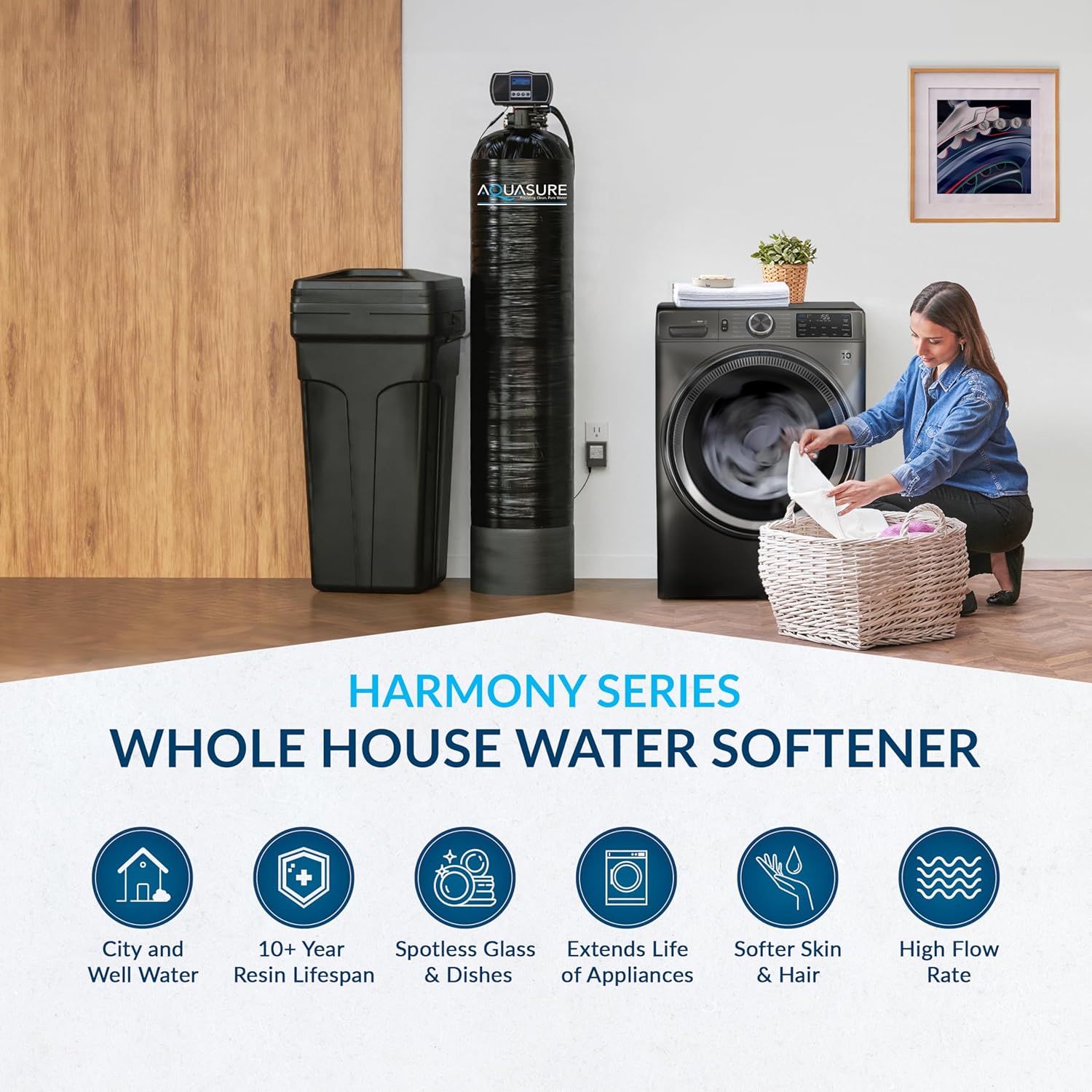
Water Softener
Hard water is one of those silent problems most homeowners deal with without realizing how much it affects daily life. From stiff laundry and cloudy glassware to weak water pressure and frequent appliance repairs, hard water can cause issues that slowly add up over time. A water softener is one of the simplest ways to improve water quality throughout your entire home, and once you switch to soft water, the difference is easy to notice.
This guide dives deep into what a water softener is, how it works, and why it may be one of the smartest upgrades you can make for your home and your family.

House Water Softener
A water softener is a filtration system designed to remove hard minerals, mainly calcium and magnesium, from your water supply. These minerals are harmless to drink.
What Is a Water Softener?
A water softener is a filtration system designed to remove hard minerals, mainly calcium and magnesium, from your water supply. These minerals are harmless to drink but cause mineral buildup—known as “scale”—inside your pipes, sinks, appliances, and showers.
Hard water is extremely common, especially in areas with underground water sources. A softener removes these minerals and delivers soft water, which is smoother, gentler, and far more efficient for cleaning and household use.
Signs You Have Hard Water
You might need a water softener if you notice:
White spots or chalky residue on dishes
Soap or shampoo that doesn’t lather well
Itchy, dry skin after showering
Dull or frizzy hair
Stiff or faded laundry
Low water pressure
Scale buildup on taps or showerheads
Appliances breaking down too quickly
If these sound familiar, a water softener can solve most—if not all—of them.
How Does a Water Softener Actually Work?
Most water softeners use a process called ion exchange.
Here’s a simple breakdown:
Hard water enters the softener tank.
The tank contains small resin beads that attract calcium and magnesium.
The hard minerals stick to the beads.
In exchange, the beads release sodium or potassium ions.
The water that leaves the tank is now “soft water.”
Over time, the beads become full of minerals, so the softener automatically cleans itself using a salt solution. This process is called regeneration.
The entire system runs quietly and continuously, so you don’t notice anything except better-quality water.
Benefits of Installing a Water Softener
- Better-Tasting Water and Cleaner Dishes
- Healthier Skin and Hair
- Protects Your Appliances
- Better Water Flow and Pressure
- Saves Money in the Long Run
| Image | Product | Price |
|
Our Pick
1
![]() |
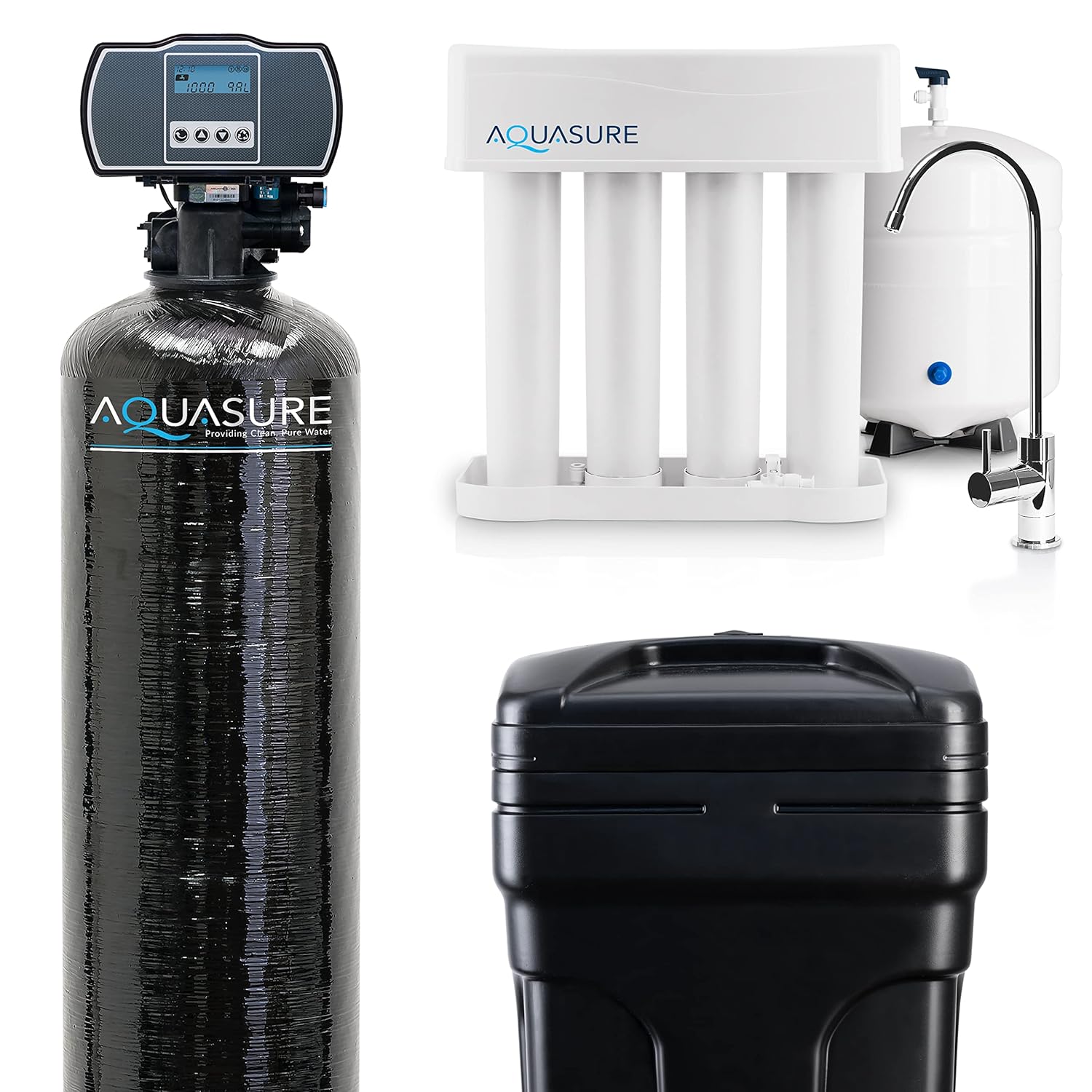
Aquasure 48,000 Grains Whole House Water Filter Bundle |
|
|
Our Pick
2
![]() |
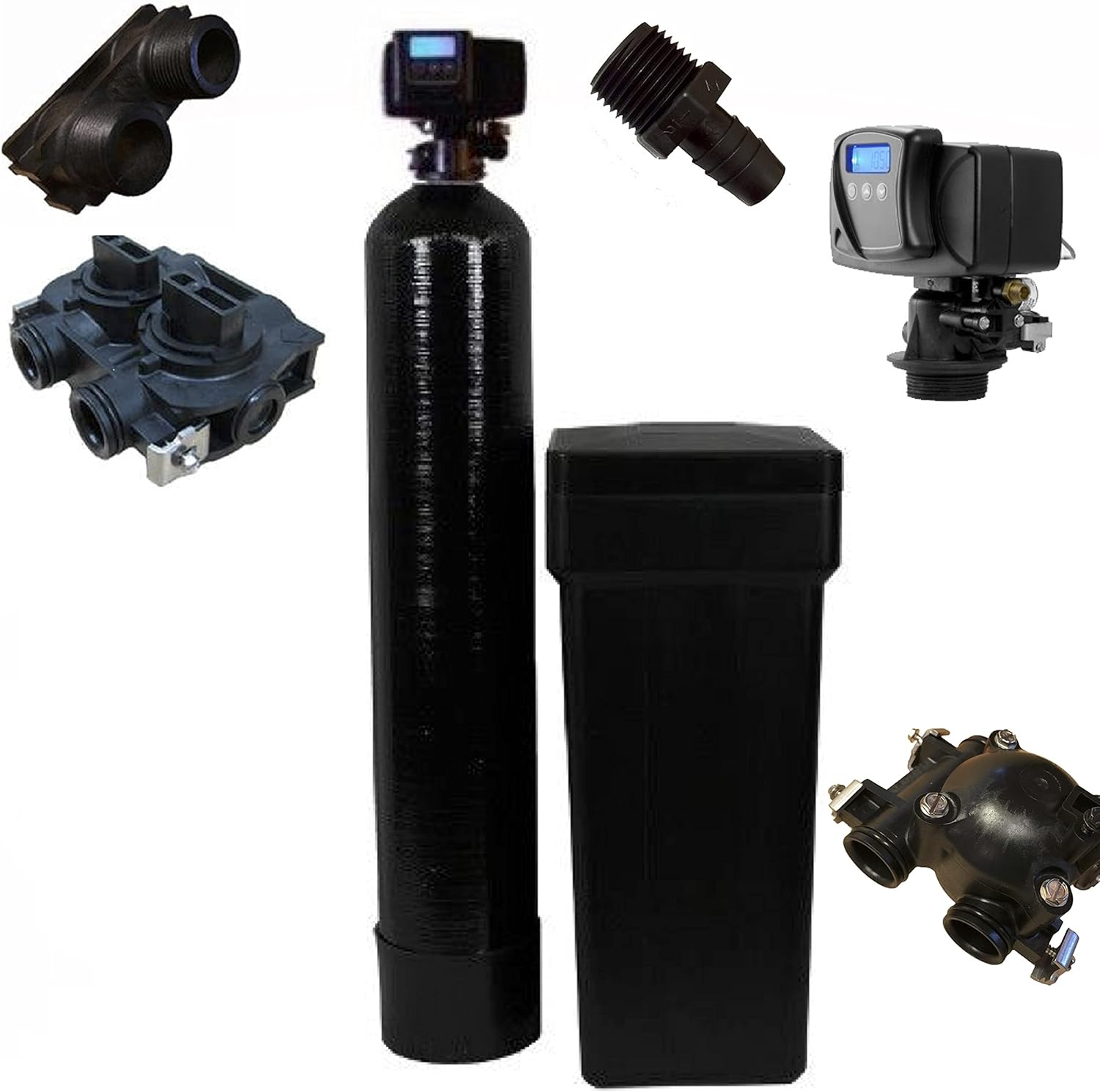
DURAWATER Fleck 5600 SXT Whole House Water Softener |
|
|
Our Pick
3
![]() |
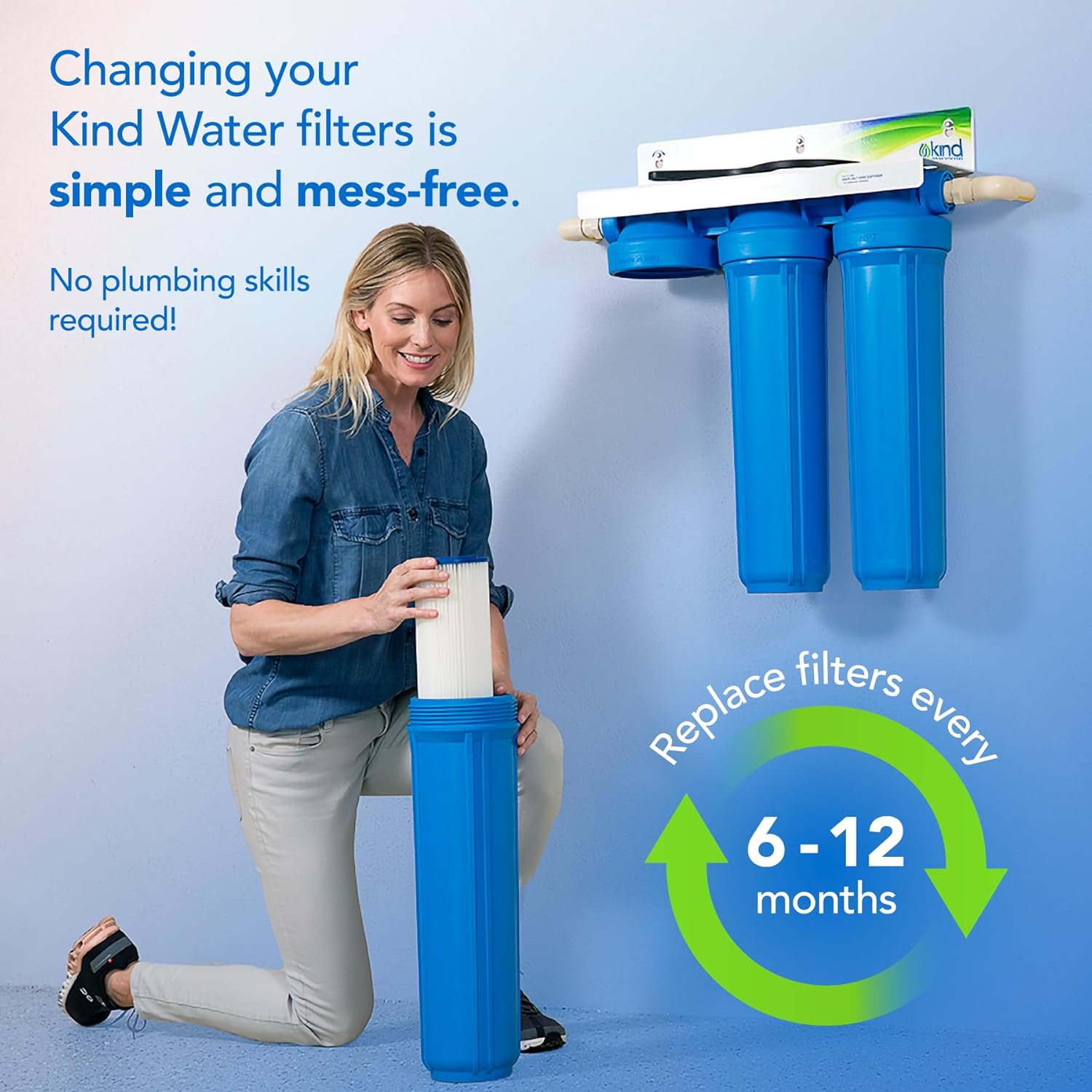
Kind Water Whole House Water Filter - Salt Free Softener |
Types of Water Softeners
Salt-Based Water Softener (Most Effective)
Uses ion exchange to fully remove hardness minerals.
Best choice for long-term results.Salt-Free Water Conditioner
Doesn’t remove minerals but prevents scale buildup.
Great for people who want low maintenance.Dual-Tank System
Two tanks work together so you always have soft water—even during regeneration.
Ideal for large families or high water usage.
Magnetic or Electronic Descaler
Attaches to the pipe and changes how minerals behave.
It’s easy to install but doesn’t soften water like a true system.
Which Water Softener Is Best for Your Home?
Your ideal system depends on:
Water hardness level
Family size
Budget
Space available
Maintenance preferences
Most households choose a salt-based softener because it delivers the most dramatic improvement in water quality.
Final Thoughts: Is a Water Softener Worth It?
If you want cleaner dishes, softer skin, healthier hair, and longer-lasting appliances, a water softener is absolutely worth considering. It’s a long-term investment that improves both comfort and efficiency throughout your home. Many homeowners say they didn’t realize how bad their water was until they switched. Soft water makes everyday life feel cleaner, fresher, and more enjoyable.


